
Why Divers Should Never Touch Coral

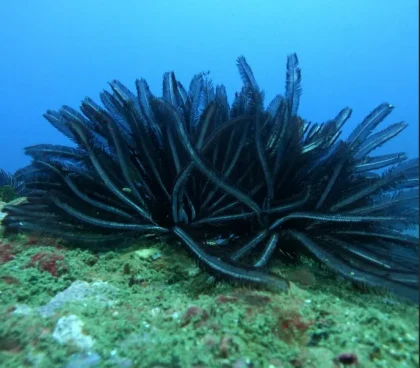
Coral reefs may look like rocks, but they are living organisms that are very delicate. Even a light touch can damage coral tissue and slow its growth. Oils and sunscreen on human skin can also harm coral. In some cases, broken coral may take many years to recover. Divers help protect reefs by maintaining good…

Details

Exploring Underwater Caves and Swim-Throughs

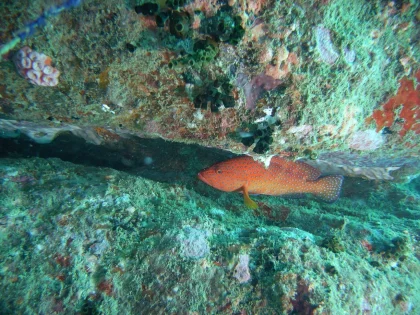
Underwater caves and swim-throughs add excitement and adventure to scuba diving. These natural formations allow divers to swim through rock passages and reef structures. Light filtering through openings creates beautiful underwater scenery, making these dives especially popular with photographers. Divers must maintain good buoyancy and follow their guide carefully when exploring these areas. With the…

Details

Interesting Facts About Coral Reefs

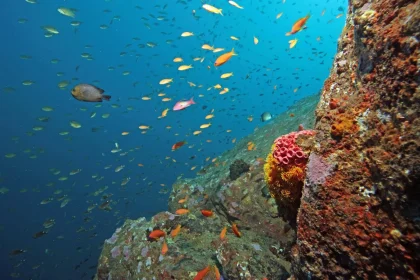
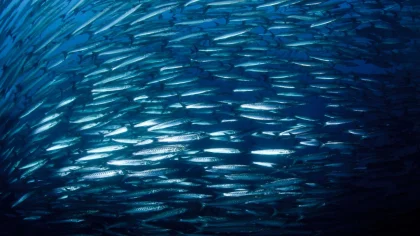
Coral reefs are some of the most fascinating ecosystems in the ocean. Although they look like colorful rocks, corals are actually tiny animals called polyps. Reefs support around 25% of all marine species, even though they cover only a small part of the ocean floor. They provide shelter, food, and breeding areas for countless fish…

Details

Tips for Your First Boat Dive

Boat dives are a great way to reach some of the best dive sites. If it’s your first time diving from a boat, a few simple tips can help. Arrive early so you have time to prepare your gear. Listen carefully to the dive briefing, as it will explain entry points, depth, and safety procedures.…

Details

Common Questions First-Time Divers Ask

Trying scuba diving for the first time is exciting, and many beginners have similar questions. Some common questions include: Is scuba diving safe? Yes, when done with trained instructors and proper equipment. Do I need to know how to swim? Basic swimming skills are recommended, but beginners can still try introductory dives with guidance. Will…

Details

How to Plan a Diving Holiday in Sri Lanka

Sri Lanka is an excellent destination for dive holidays thanks to its warm waters and diverse marine life. Planning helps you get the best experience. First, choose the right season. The west and south coasts are best from November to May, while the east coast is ideal from April to October. Next, book your dives…

Details

How Divers Communicate Underwater

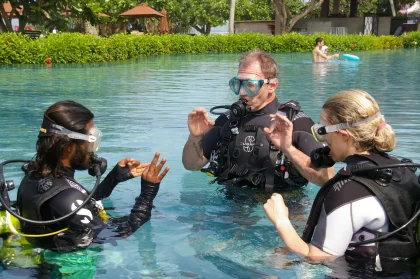
Since talking underwater isn’t possible, divers use hand signals to communicate. These signals allow divers to share important information during the dive. Common signals include:  OK – Everything is fine Thumb up – Ascend  Thumb down – Descend Hand flat, moving side to side – Something is wrong Divers also use dive lights and simple…

Details

Why Good Buoyancy Makes You a Better Diver

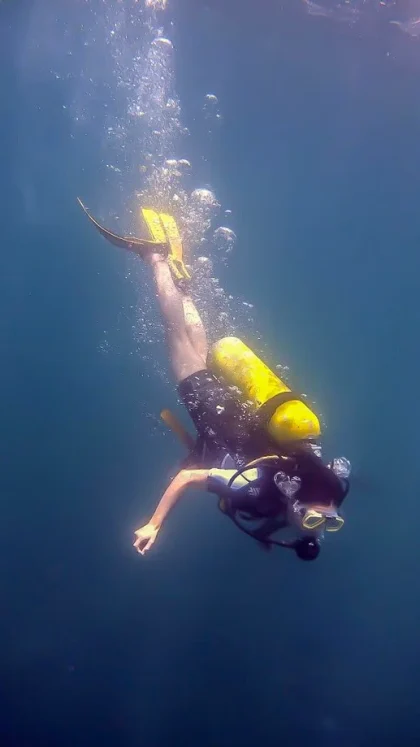
Good buoyancy is one of the most important skills in scuba diving. It allows divers to stay neutrally buoyant in the water without constantly sinking or floating upward. When you control your buoyancy well, you use less energy and air, making your dives longer and more comfortable. It also helps you move smoothly through the…

Details

Diving Safety Starts at the Dive Center

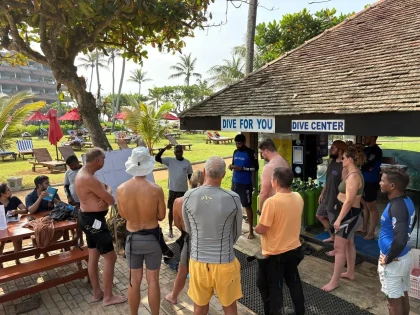
A safe and enjoyable dive begins long before you enter the water—it starts with the dive center you choose. At Dive For You, safety is the foundation of every dive. Why Safety Matters Underwater you rely on your equipment, training, and guide A safety-focused dive center makes every dive smoother, calmer, and more enjoyable What…

Details